
At JSSES, our work is deeply rooted in the communities we serve. We implement a range of programs and initiatives designed to address the interconnected social, economic, and mental health challenges faced by communities in Madhya Pradesh. Our approach is holistic, empowering, and focused on creating sustainable and strengthened systems from the ground up.
We work with individuals facing challenges related to mental well-being, survivors of violence, and other socially and economically marginalised communities. We recognize that many community members we work with experience psychosocial stress and limited access to support systems. To address this, we have developed an in-house counselling unit with an aim to foster resilience among our communities, promote emotional well-being, and connecting individuals to care and support services at the grassroots level.
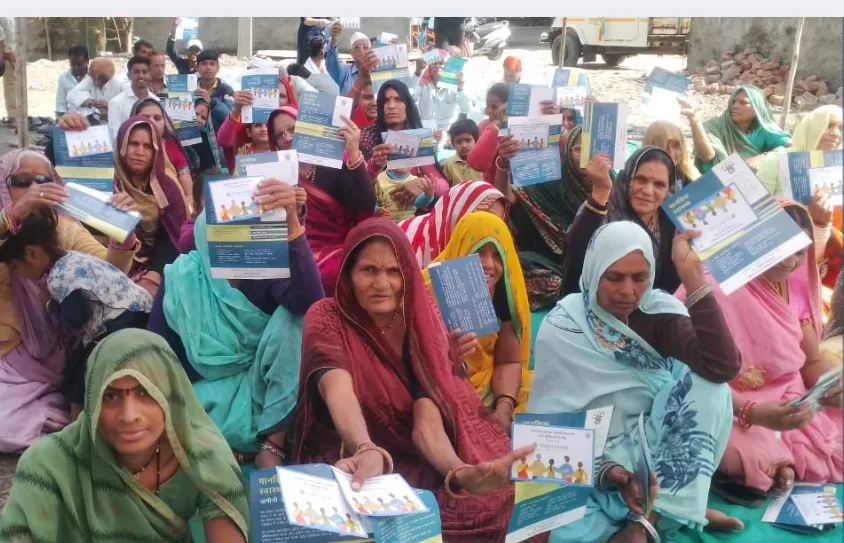
Strengthening Community Mental Health Support
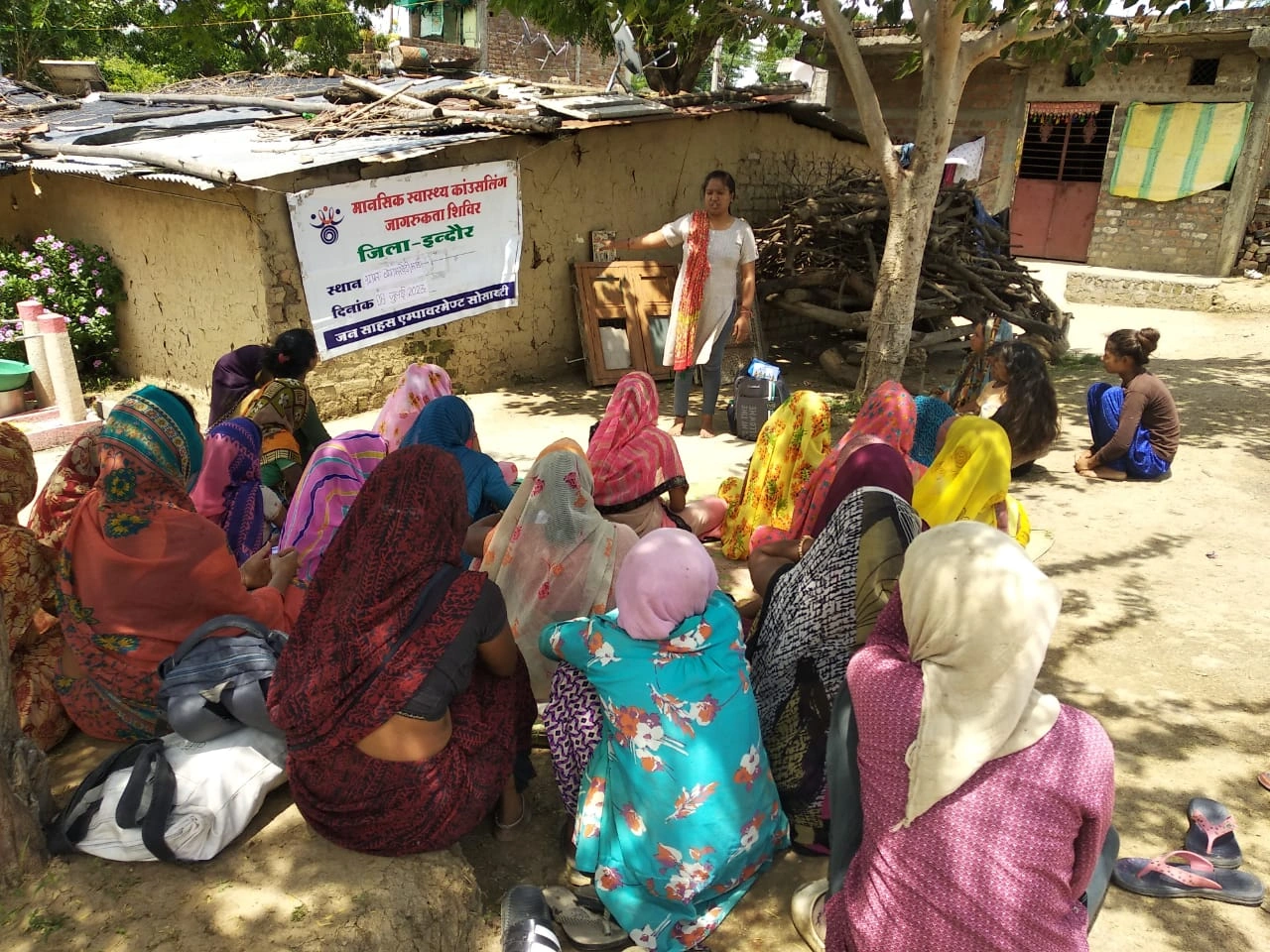
Recognizing the critical need for accessible mental healthcare in rural and marginalized communities, JSSES provides vital mental health services. We work towards improving the mental well-being of vulnerable communities, especially rural women and children, by providing access to counselling, conducting awareness programs, and establishing community-led support systems. Our efforts are aimed at breaking the stigma associated with mental health issues and ensuring that individuals receive the care and understanding they need to thrive.
Significantly increased mental health awareness in rural areas, leading to a positive shift in perspectives and encouraging help-seeking behaviour. Collaboration with local authorities like women's police and special juvenile police unit has led to direct referrals for counselling and support.
A pivotal achievement has been establishing strong working relationships with local law enforcement agencies, specifically the Women's Police and Juvenile Police. This collaboration has significantly enhanced our ability to provide crucial support to those in need. These departments now actively refer cases to JSSES, demonstrating their trust in our expertise and services.
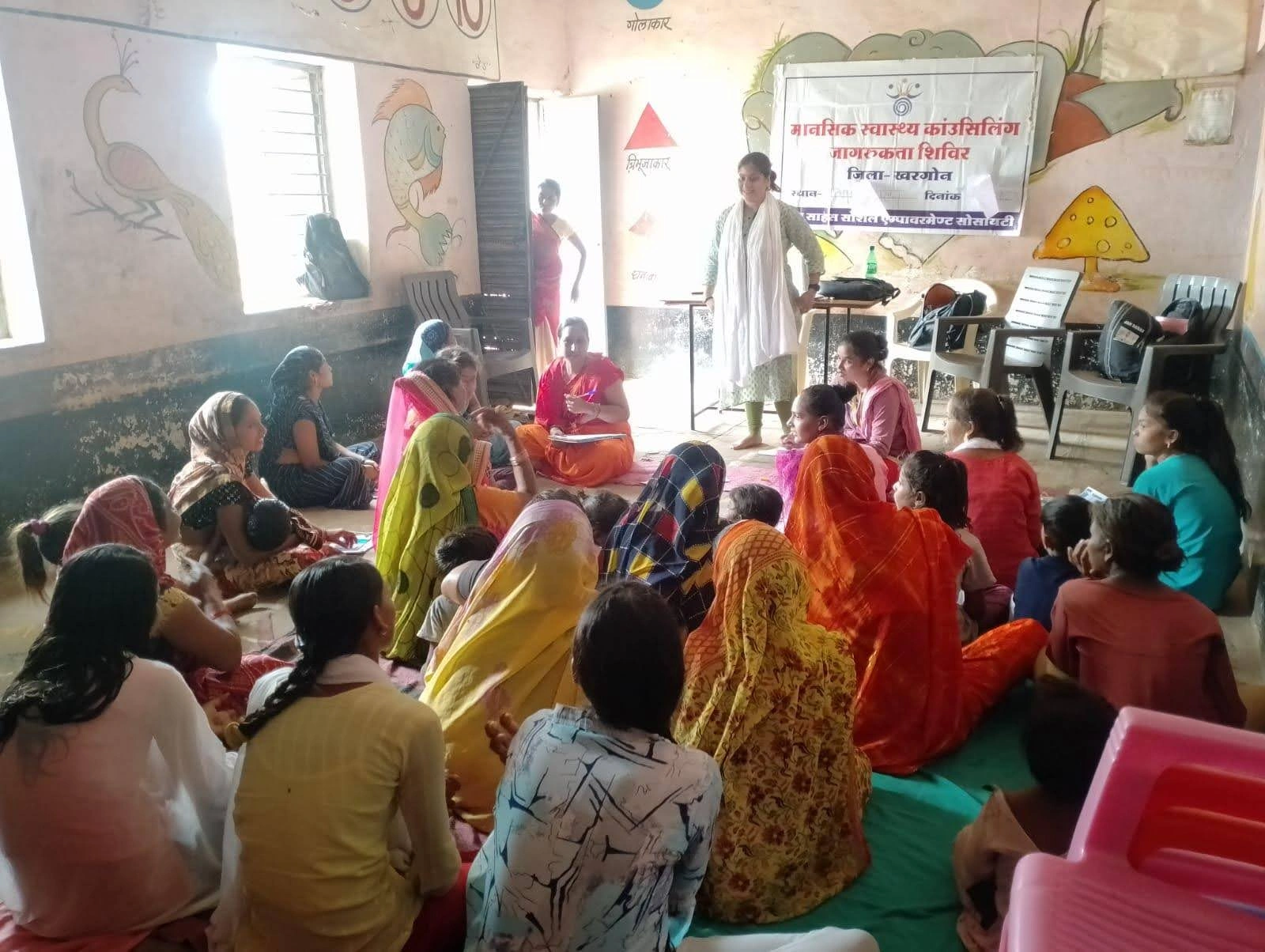
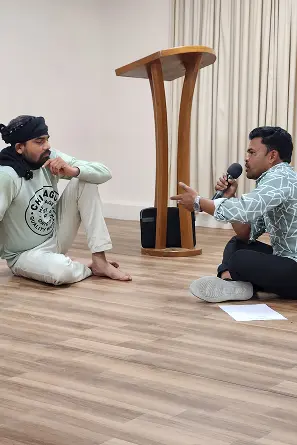
Migrants Resilience Collaborative
This project is designed to support migrant workers and their families so that they can live with dignity and security. Migrant workers often face many challenges when they move to new places for work — such as lack of proper housing, health care, fair wages, and access to government schemes. Through this initiative, we aim to build a strong and supportive system that helps them feel safe, respected, and empowered.
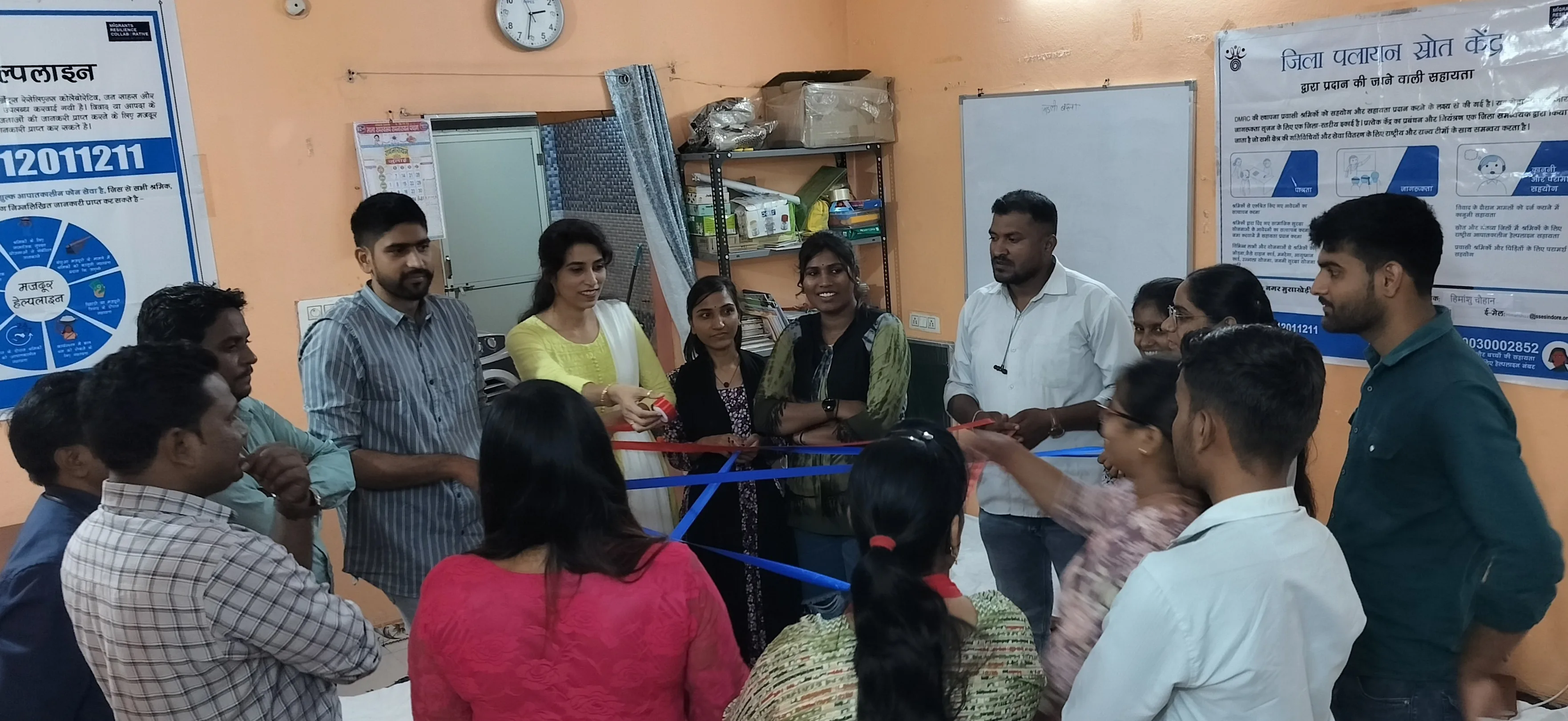
Core Themes
We work to ensure that every migrant worker is treated with respect and fairness. This includes access to their basic rights, social security schemes, identity documents, and other government entitlements that help improve their quality of life.
Migrant workers are often exposed to unsafe working conditions and financial risks. Our project provides them with legal awareness and protection, safer workplace practices, and access to financial security tools so that they and their families can live without fear.
Migration is a reality for millions of workers who move from one place to another in search of better opportunities. We support their safe and free movement by ensuring they are not exploited and can access jobs, services, and social benefits wherever they go.
Vision
By addressing these three core areas — dignity, safety, and mobility — the project aims to create a secure ecosystem where migrant workers and their families can not only survive but also thrive.
Key Components
We help migrant workers and their families access government schemes and benefits easily.
- Awareness on social security schemes
- Registration through the Resilience Connect mobile app
- Support in applications, documents, and grievance redressal
- Training local volunteers to guide communities
We offer protection mechanisms for workers and ensure legal and emergency support.
- Awareness sessions on safe migration and workers’ rights
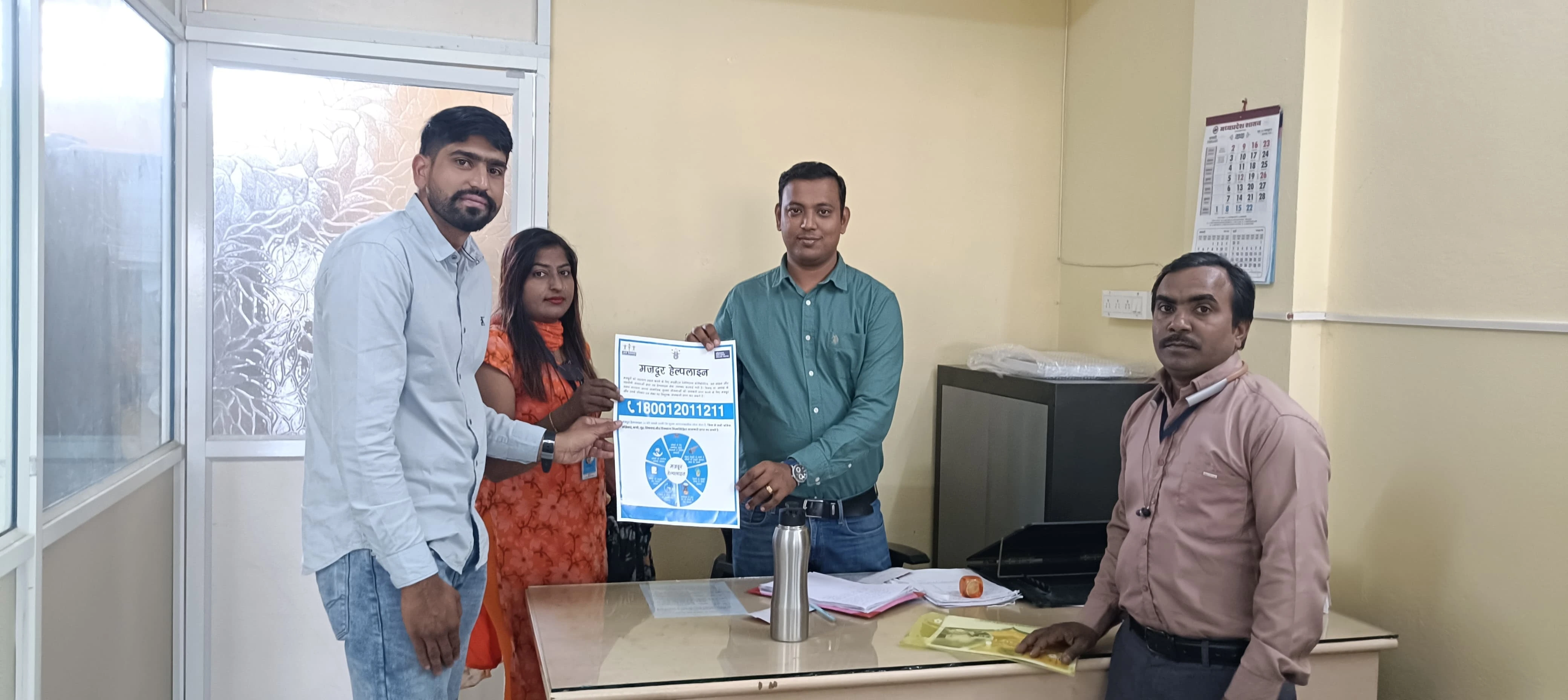
- A multi-lingual toll-free helpline for disputes and emergencies
- Legal aid and redressal with support from police and government
- Partnerships with CBOs to expand support
Achievements – Indore District
The Usha Silai School Program is a nationwide, community-driven rural initiative. The aim of this social initiative is to teach women the skills of sewing and tailoring, and to help them set up their own self-reliant micro-enterprises under the Usha Silai banner, enabling them to support themselves and their families.
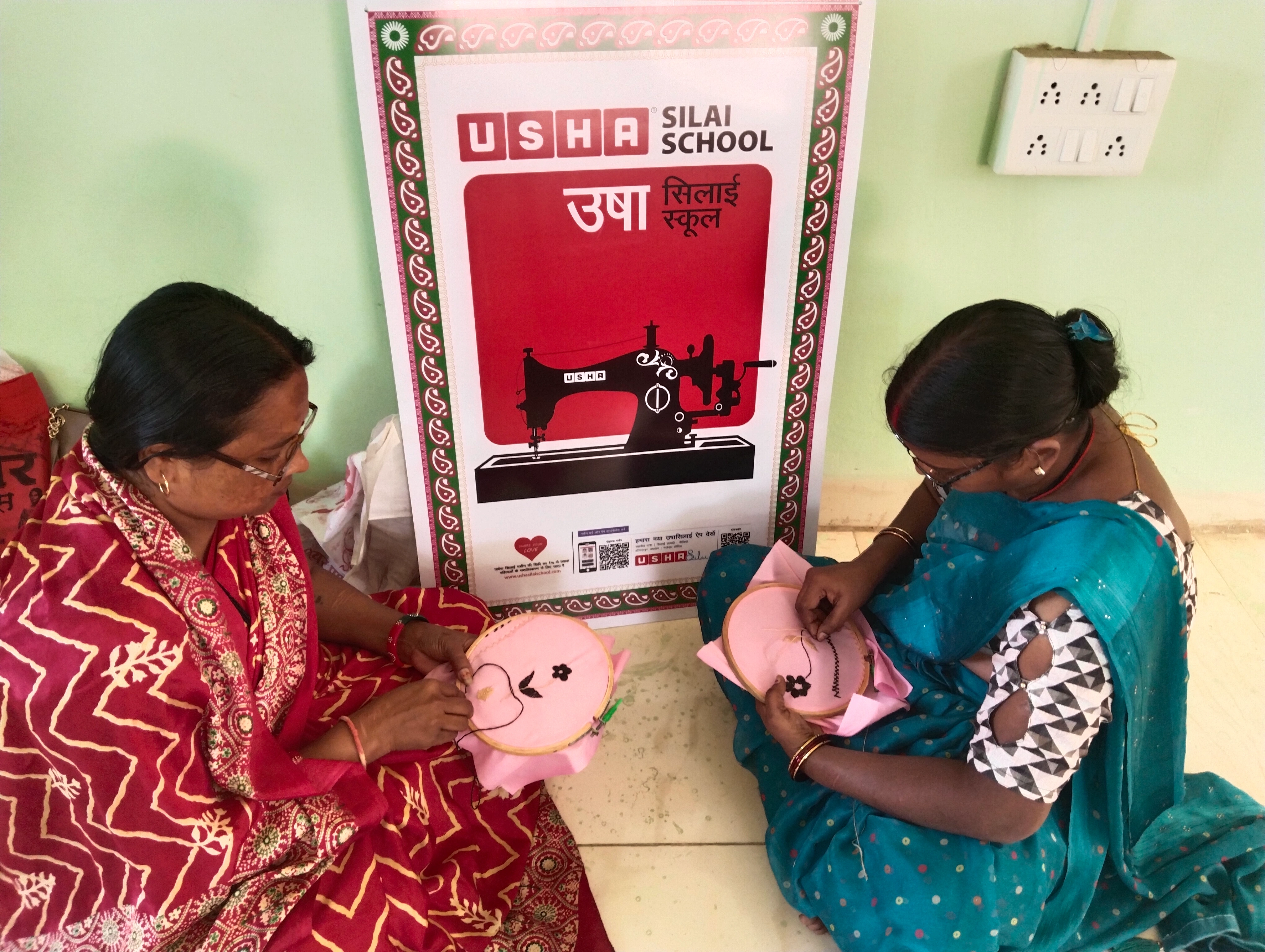
The Usha Silai School’s nine-day program includes two days dedicated to teaching women how to build and repair sewing machines. Two days are devoted to life skills development training. For five days, women are taught how to use sewing machines and create clothing such as blouses, petticoats, salwar suits, children’s shirts and shorts, along with skills like embroidery, knitting, and other decorative work. After completing the training, women receive an Usha sewing machine, an Usha Silai School signboard, an Usha training book, and a certificate.
Linked 2,000 women to employment opportunities through the Usha Silai School program, enhancing their livelihoods and financial independence.
The Usha Silai School’s nine-day program includes two days dedicated to teaching women how to build and repair sewing machines. Two days are devoted to life skills development training. For five days, women are taught how to use sewing machines and create clothing such as blouses, petticoats, salwar suits, children’s shirts and shorts, along with skills like embroidery, knitting, and other decorative work. After completing the training, women receive an Usha sewing machine, an Usha Silai School signboard, an Usha training book, and a certificate.
Linked 2,000 women to employment opportunities through the Usha Silai School program, enhancing their livelihoods and financial independence.
Bridging the information gap in remote villages is crucial for empowerment. We have dedicated efforts to developing and disseminating essential educational materials, ensuring vital information on mental health, rights, and available resources reaches those who need it most. This initiative improves communication and significantly increases awareness.
Easily understandable materials explaining common mental health conditions, symptoms, and where to seek help, translated into local dialects.
Visually engaging posters displayed in community centers, schools, and health posts, promoting mental well-being and rights.
For communities with lower literacy rates, we've developed simple audio messages disseminated through local community radio or group listening sessions.
Basic information on legal rights, particularly related to gender-based violence and caste-based discrimination, presented in an accessible format.
Strengthening Community Bonds
Building trust and fostering deep connections with community members across various villages is fundamental to our sustainable impact. We have cultivated strong, long-term engagements through our consistent presence, respectful dialogue, and the implementation of our community-led model. This approach ensures that our initiatives are truly resonant with local needs and aspirations, empowering communities to take ownership of their development.
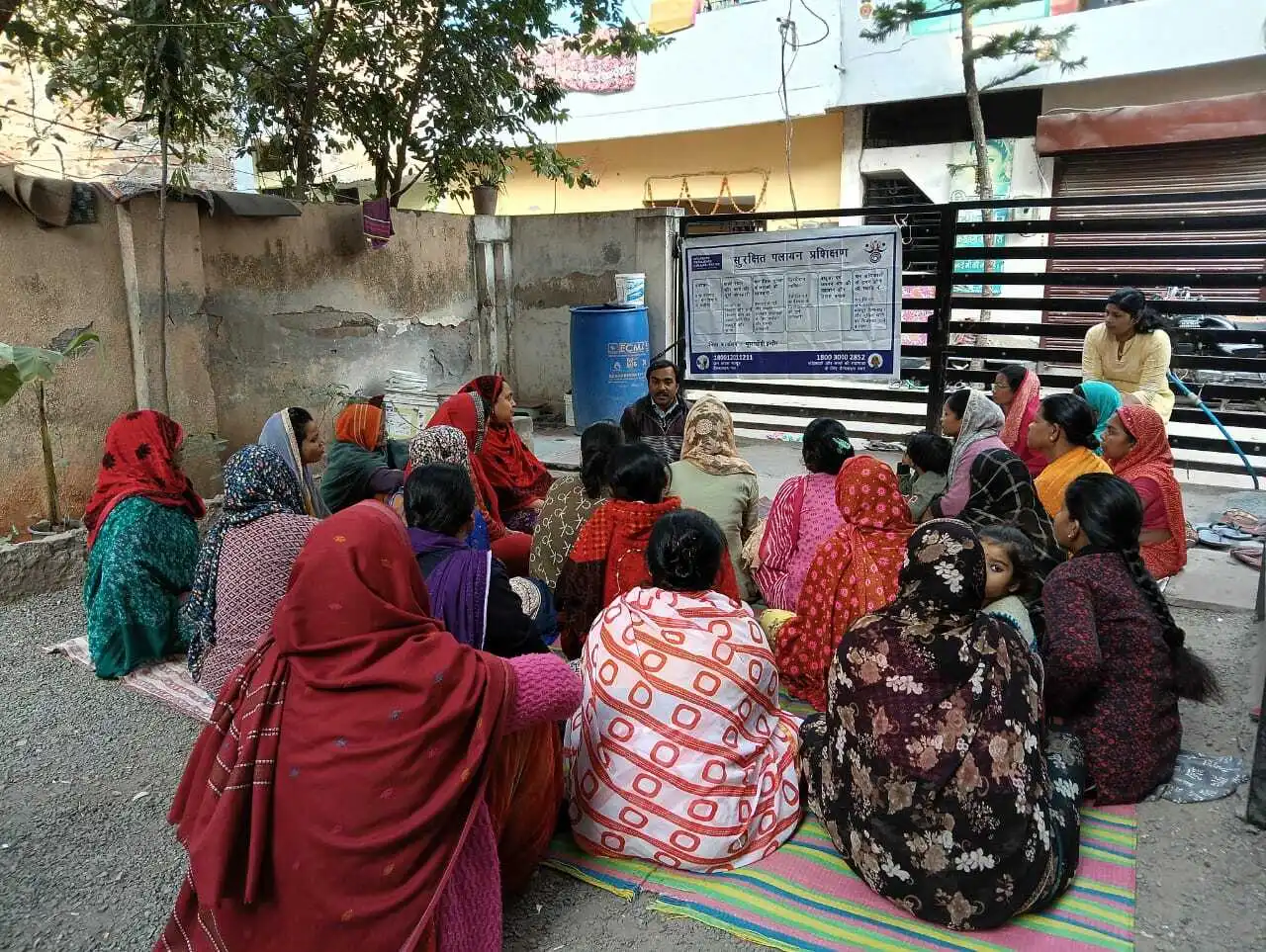
Our core approach involves actively including survivors, grassroots leaders, and community representatives in our decision-making processes. This ensures that their voices are not only heard but also guide our initiatives, transforming passive beneficiaries into active agents of change.
Stakeholder Engagement
Establishing and nurturing strong relationships with key stakeholders has been instrumental in facilitating the smooth execution and broader impact of our mental health workshops and other initiatives. Our collaborative approach ensures that our work is integrated into the wider social and governance framework.
Livelihood at Home Through Usha Sewing School
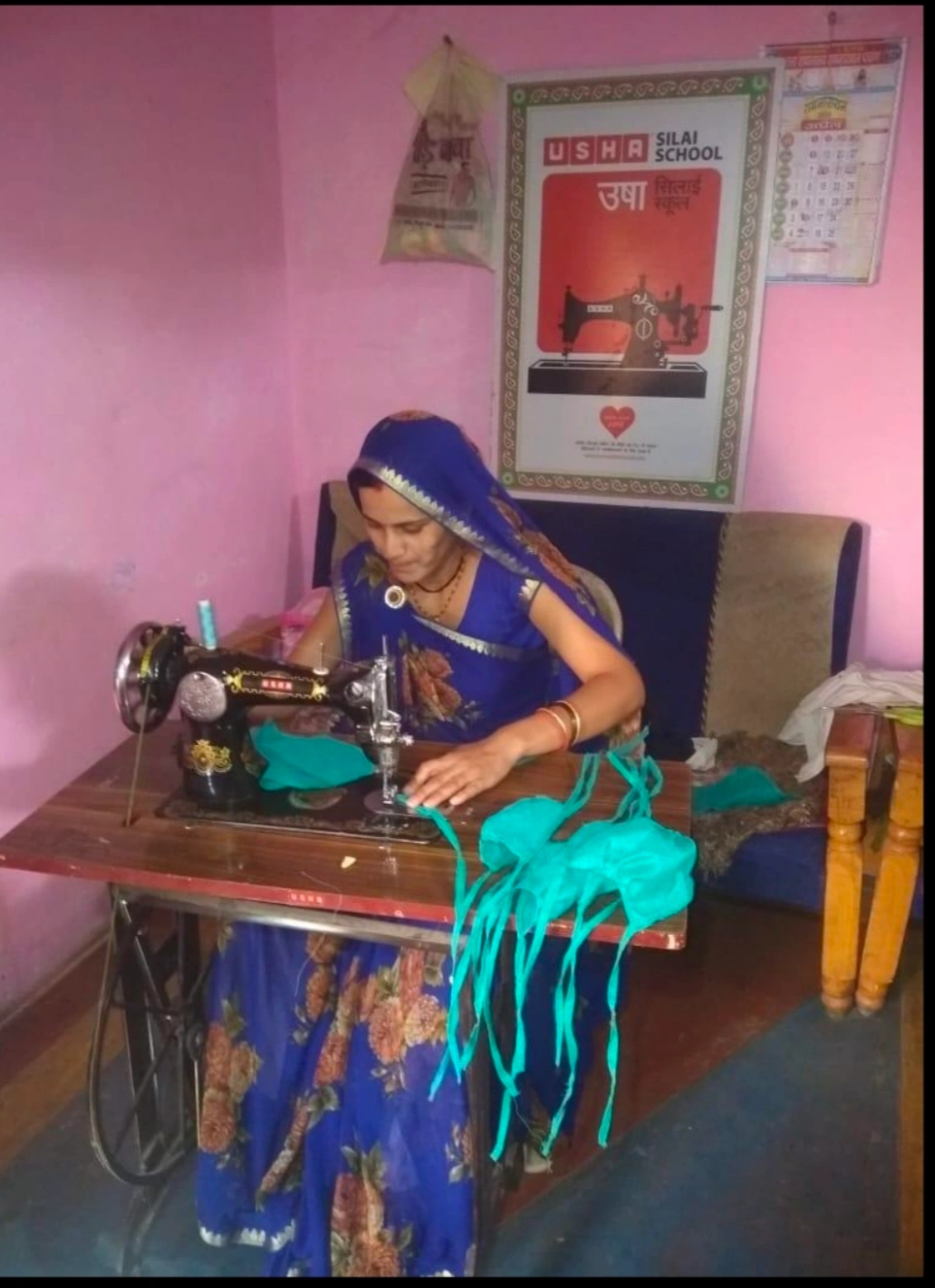
After losing her husband, Jasmin Khan trained with Jan Sahas and started an Usha Sewing School from home. She now earns ₹5,000 to ₹6,000 per month and trains other women to become self-reliant.
A Migrant Worker's Path to
Justice
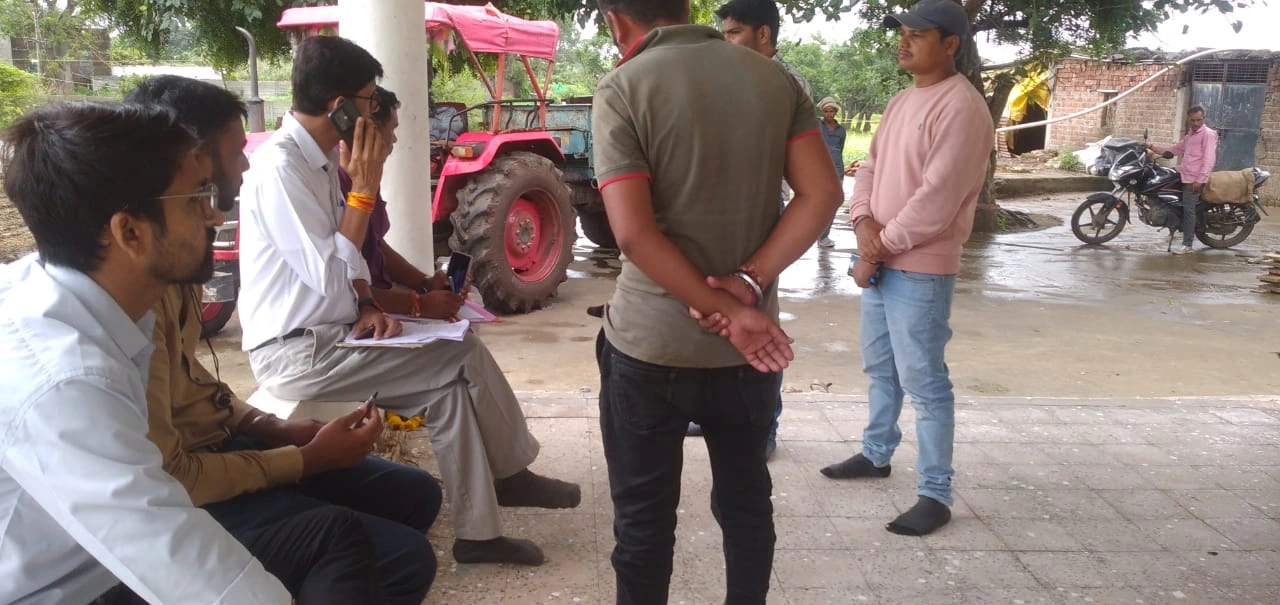
With Jan Sahas' support, Malti Devi and eight other women recovered ₹40,000 in unpaid wages after a contractor refused payment and used threats to force them back to work.
How Mental Health Counselling Helped Save a Life
Counselling and family engagement helped Reena manage intense distress and rebuild confidence amid financial strain and conflict at home.